

In short: The Estate Project for Artists with AIDS was founded in 1991 by the Alliance for the Arts in New York, led by its president Randall Bourscheidt, with Patrick Moore as project director. It helped artists with HIV and AIDS plan their estates, published the planning guide Future Safe, gave grants for legal help and documentation, built an online Virtual Collection of artworks, and in 2003 launched a National Registry for Artists with AIDS. Its records from 1989 to 1999 are held by The New York Public Library.
By the end of the 1980s, AIDS was killing painters, composers, dancers, writers and filmmakers in their thirties and forties, often before they had made a will. Families who did not understand the work, or who rejected the artist, sometimes threw paintings into skips. Unpublished scores sat in boxes. Choreography that lived only in dancers’ bodies disappeared when those dancers died. The Estate Project for Artists with AIDS was set up to stop that loss.
This page tells its story, from a short research project to a national organisation, and explains where its work can still be found. This site is an independent reference that uses the old web address to keep the subject easy to find. We are not the Estate Project or the Alliance for the Arts, which merged into the Municipal Art Society, and we hold none of their records.
How the Estate Project began
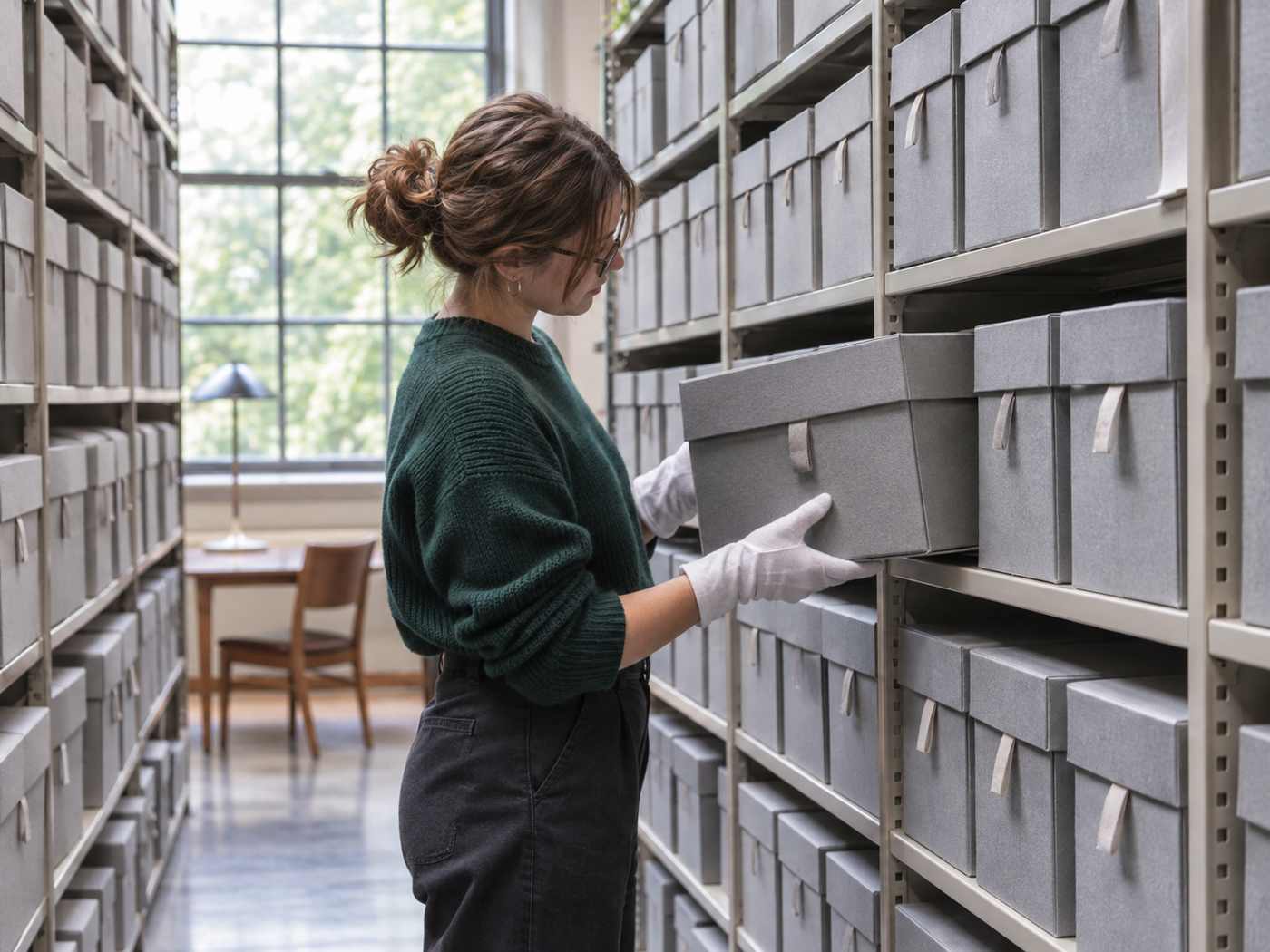
The Alliance for the Arts was a New York policy and research group, best known for reports on the economic weight of culture in the city. Its president from 1989 to 2010, Randall Bourscheidt, grew worried about artists dying young and their work being discarded. According to The New York Public Library’s finding aid, the Alliance formed the Estate Project in 1991 as a temporary project to survey the needs of artists with AIDS in planning their estates, and to look at options for documenting, storing and conserving their work. Its working title was “Artists’ Trust”.
Bourscheidt hired Patrick Moore, then a young arts marketer who had worked at The Kitchen in downtown New York and been active in ACT UP. In a 2017 oral history for the Smithsonian’s Archives of American Art, Moore described how the project began as a funded report and grew from there. His own partner had died of AIDS, and he later said that his whole professional life in those years was about the epidemic.
Future Safe: a plain guide to wills
The first public product was a booklet called Future Safe: Estate Planning for Artists in a Time of AIDS. It was designed by Bureau, the studio set up by Donald Moffett and Marlene McCarty of the activist art collective Gran Fury. The booklet explained basic legal steps such as wills and executors and listed archives and arts agencies that might accept an artist’s work.
Its advice applied to every artist, sick or well: plan now, name someone who understands the work, and record what exists. By 1995, according to The New York Times, the Alliance had distributed some 50,000 copies. The booklet won design awards and became the project’s calling card.

From advice to grants
In its first years the project tried to offer every service itself. By the mid-1990s it changed course. In June 1995 it awarded its first grants, about $200,000 to 12 specialist programmes, for free lawyer consultations, artist stipends, photographing and videotaping artwork, and notating choreography so that dances could be restaged. Moore later explained the model: raise money, ask a foundation such as the New York Community Trust to match it, and re-grant the total to groups already doing good work.
The project also opened offices beyond New York. A Los Angeles office, which Moore ran after moving west, staged the exhibition “TranscEND AIDS” at the Los Angeles Center for Photographic Studies on Day Without Art in 1995. A South Florida coordinator worked with artists in Miami. By then the project had become a permanent organisation with a national reach.
Music, dance and film
The Estate Project took a wide view of “artist”. It worked with film archives to preserve films by artists who had died, and with dance companies on notating and videotaping work. For music, the composer and former record-label director Joseph Dalton researched the lives and archives of composers who had died of AIDS or were living with HIV. He began with about 15 names and soon found more than 50 who had died, across classical, jazz and pop. That research grew into a catalogue of composers, which we summarise in our guide to composers lost to AIDS. A similar effort covered dancers and choreographers, described in our page on dancers lost to AIDS.

The Virtual Collection
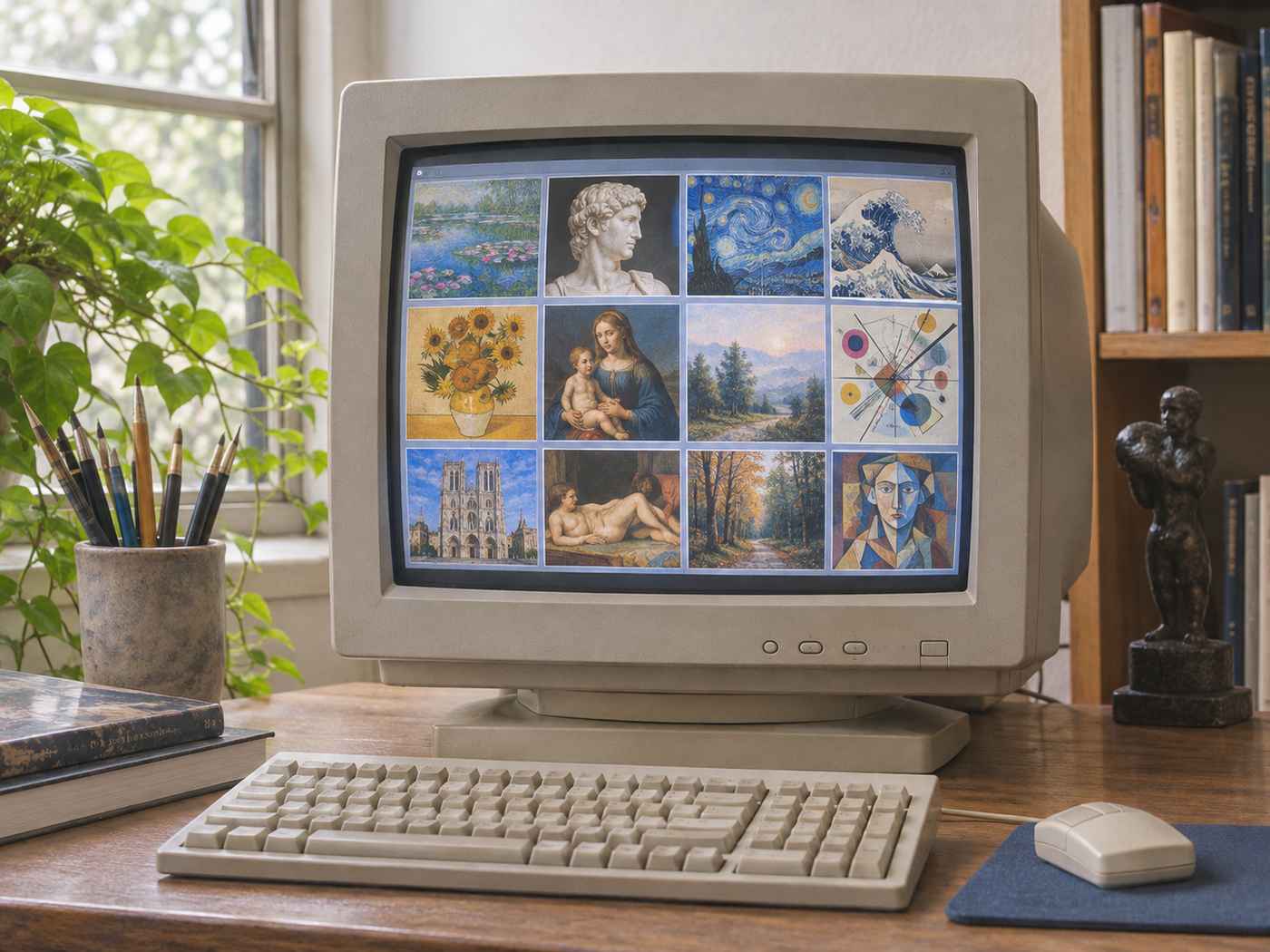
In late 1998 the project launched the Virtual Collection, an online database of digitised artworks by artists who had died of AIDS or were living with HIV. The New York Times reported that it was expected to grow to more than 6,000 images, and POZ magazine described it as some 3,000 images by 150 artists when it opened. Moore worked with archives across the country, from Visual AIDS in New York to the Los Angeles Gay and Lesbian Center, to gather the material.
It was an early example of a cultural group using the web to preserve work rather than just promote it. Moore said at the time that he hoped the collection would still be running long after many of the works themselves had gone.
Fundraising with artists
The project also raised money through art. In 1998 Moore and Bourscheidt produced The Geldzahler Portfolio, a set of prints honouring the curator Henry Geldzahler, one of the project’s early supporters. A second portfolio, 1989, followed. Prints from these portfolios are now in museum and private collections, and still appear at auction.

The National Registry and later years
On 1 December 2003, World AIDS Day, the project launched the National Registry for Artists with AIDS, an online record of artists who had died or were living with the disease, with notes on their work and where it was held. The library’s finding aid notes that the registry is not documented in the Estate Project’s own records, because the papers had already been given to the library in 1999.
Moore left in 2001 and later became director of the Andy Warhol Museum in Pittsburgh. In 2004 Beacon Press published his book Beyond Shame, which had been commissioned by the Alliance. When the Alliance for the Arts later folded into the Municipal Art Society, the project’s remaining funds went with it, as Moore recalled in his oral history. The website at this address eventually lapsed. Bourscheidt died in 2026; his New York Times obituary named the Estate Project among his main achievements.
Where to find the records now
- The New York Public Library holds the Estate Project for Artists with AIDS records, 1989 to 1999, including grant files, correspondence and the development of Future Safe.
- The Archives of American Art at the Smithsonian holds Patrick Moore’s 2017 oral history, part of its project on visual arts and the AIDS epidemic.
- Visual AIDS in New York keeps an artist registry and archive of artists with HIV, and runs Day With(out) Art each 1 December.
- For individual composers and dancers, the papers often sit in specialist archives such as the library’s music and dance divisions.

Key takeaways
- The Estate Project for Artists with AIDS was founded in 1991 by the Alliance for the Arts in New York.
- Randall Bourscheidt led the Alliance; Patrick Moore was the project’s founding director until 2001.
- Future Safe, a plain guide to wills for artists, reached some 50,000 readers by 1995.
- The project funded legal help, documentation and dance notation, and built an online Virtual Collection.
- Its 1989 to 1999 records are at The New York Public Library.
Common questions
Is the Estate Project for Artists with AIDS still active?
No. Its parent, the Alliance for the Arts, merged into the Municipal Art Society, and the project’s website lapsed. Its records survive at The New York Public Library.
What was the National Registry for Artists with AIDS?
An online record launched on 1 December 2003 listing artists who had died of AIDS or were living with HIV, with notes on their work and where it was kept.
Who founded the Estate Project?
The Alliance for the Arts, under its president Randall Bourscheidt, with Patrick Moore as founding project director.
What was Future Safe?
A booklet, Future Safe: Estate Planning for Artists in a Time of AIDS, explaining wills, executors and archive options for artists in every medium.
Where can I see the artworks from the Virtual Collection?
The original database is no longer online. Visual AIDS and museum collections are the best places to look for work by individual artists.
For practical steps any artist can take today, read our guide to estate planning for artists, which builds on Future Safe‘s advice.
How we wrote this: This history is based on The New York Public Library’s finding aid for the Estate Project records, Patrick Moore’s oral history at the Archives of American Art, and contemporary reporting in The New York Times, the Los Angeles Times and POZ. Dates were checked against at least two sources. Last checked November 2026.
Sources
- The New York Public Library: Estate Project for Artists with AIDS records, 1989 to 1999
- Smithsonian Archives of American Art: Oral history interview with Patrick Moore, 2017
- The New York Times: Artists with AIDS race time to preserve work (1995)
- The New York Times: Artistic legacy of AIDS, on line (1998)
- POZ: How to make art in an epidemic
- Los Angeles Times: Creative ideas marking Day Without Art (1995)
- New Music USA: Estate Project preserving the work of composers with AIDS
- The New York Times: Randall Bourscheidt obituary (2026)