
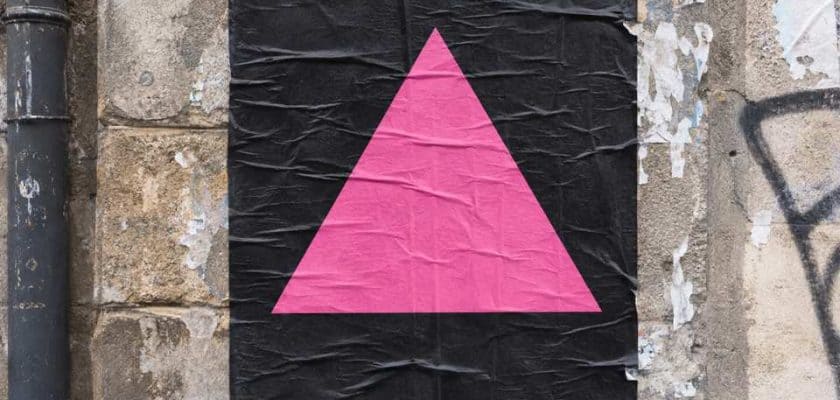
In short: A handful of works of AIDS activist art changed how the public saw the epidemic. The Silence=Death poster (1987) gave ACT UP its emblem. The AIDS Memorial Quilt, first shown on the National Mall on 11 October 1987, turned statistics into names. Gran Fury’s Kissing Doesn’t Kill bus posters (1989) attacked stigma with the look of an advert. Day Without Art (1989) and the red ribbon (1991), both from Visual AIDS, became global symbols. Felix Gonzalez-Torres’s candy portrait of his partner Ross (1991) made loss something visitors could hold.
In the 1980s governments were slow to talk about AIDS, and newspapers often treated it as a scandal rather than a public health emergency. Artists and activists filled the silence. They borrowed the tools of advertising, folk craft and conceptual art to get attention, to grieve, and to demand action. The works below are the ones that reached furthest.
This page replaces two older articles on this site about activist art. For the artists working on HIV now, see a new generation of artists tackling HIV.
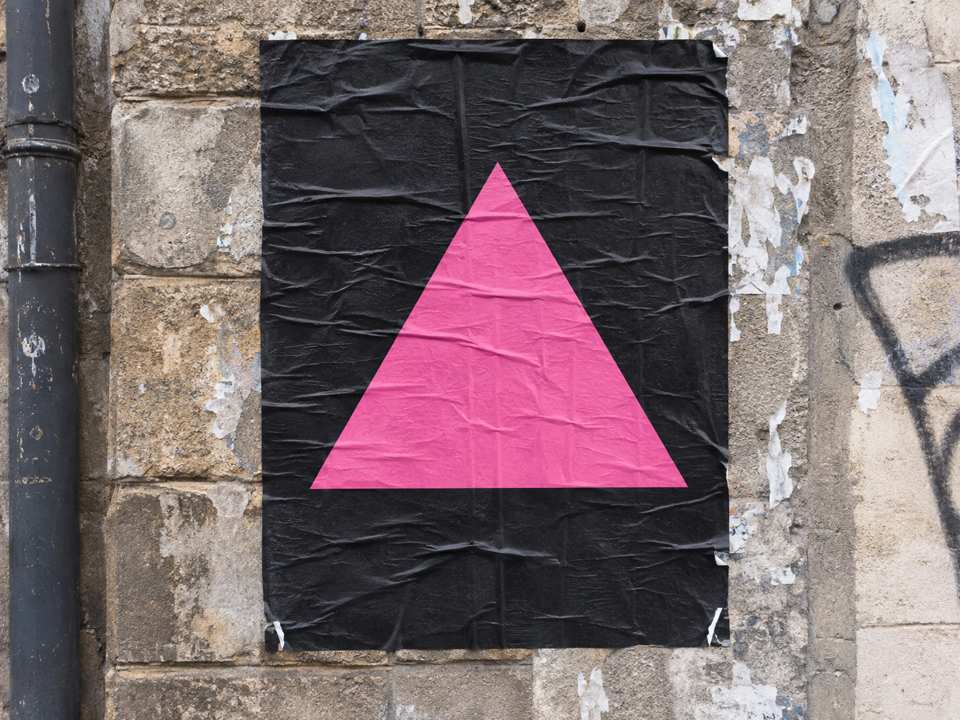
Silence=Death (1987)
The Silence=Death poster shows a pink triangle, pointing up, on a black ground, above the words “SILENCE=DEATH”. It was made in 1986 and 1987 by a group of six gay men, the Silence=Death Project, and pasted around New York before ACT UP, the AIDS Coalition to Unleash Power, adopted it as its emblem in 1987. The pink triangle had been used by the Nazis to mark gay prisoners; turning it upward made it a sign of resistance.
The Smithsonian’s National Museum of American History holds a copy and explains its context: President Reagan said little publicly about AIDS until 1987. The poster’s message was that staying quiet, or relying only on community self-help, was not stopping the deaths. The design is also in the collection of the Museum of Modern Art.
The AIDS Memorial Quilt (1987)
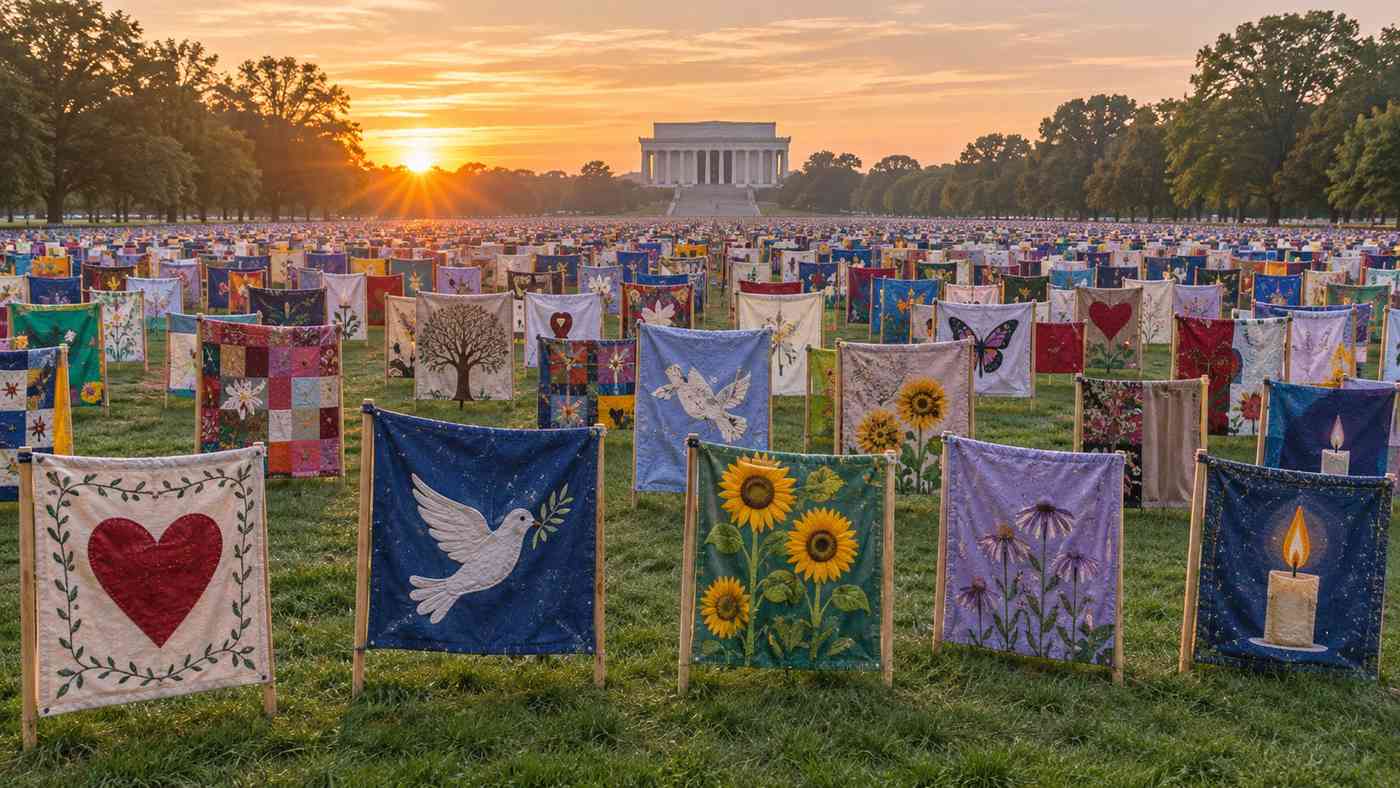
The Quilt was conceived by the San Francisco activist Cleve Jones. At a 1985 candlelight march for Harvey Milk and George Moscone, he asked people to write the names of friends who had died of AIDS on placards and tape them to the Federal Building. The wall of names looked like a patchwork. In 1987 he made the first panel, for his friend Marvin Feldman, and co-founded the NAMES Project.
Each panel is three feet by six feet, the size of a grave. On 11 October 1987, during the National March on Washington for Lesbian and Gay Rights, 1,920 panels were laid out on the National Mall, according to the National Park Service. More than half a million people visited that weekend while volunteers read the names aloud. By its last full display in 1996 it covered the Mall. The Library of Congress now holds the Quilt’s records; the Quilt has grown to nearly 50,000 panels remembering more than 110,000 people.
Kissing Doesn’t Kill (1989)
Gran Fury was an artist collective that grew out of ACT UP in 1988. Its members included Avram Finkelstein, Tom Kalin, Marlene McCarty and Donald Moffett. In 1989, for the public art project “Art Against AIDS on the Road”, it produced a long bus poster showing three couples kissing: a man and a woman, two men, and two women, of different races. The headline read “Kissing Doesn’t Kill: Greed and Indifference Do.” A strip below added: “Corporate greed, government inaction and public indifference make AIDS a political crisis.”
The poster looked like a Benetton advert, and that was the point. It used the language of fashion marketing to reach commuters who would never read an activist leaflet, and it answered a real fear of the time, that kissing could spread HIV. Creative Time, which supported the project, put it on dozens of New York buses; it also ran in San Francisco and Chicago. Copies are held by the Victoria and Albert Museum in London.

Day Without Art (1989)
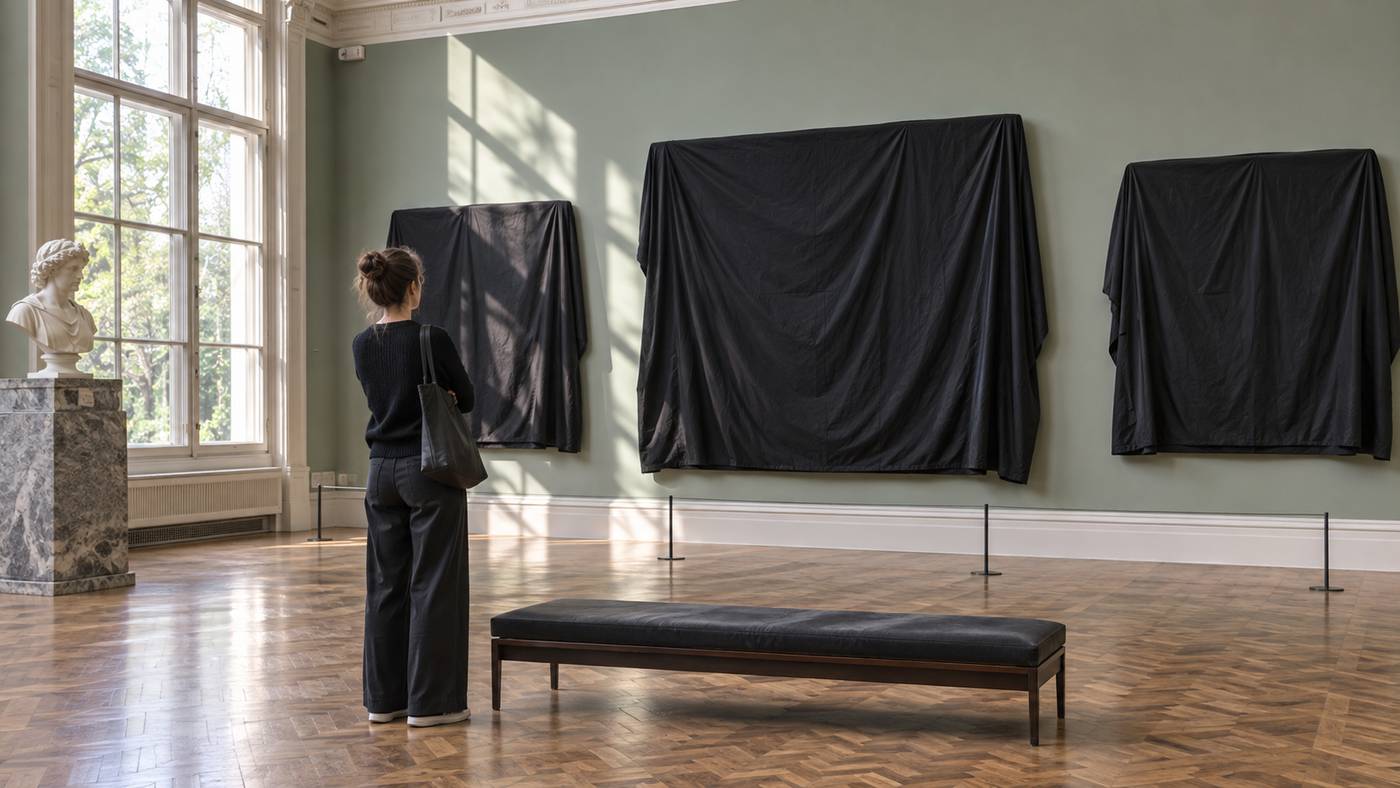
Visual AIDS, an arts group founded in New York in 1988, organised the first Day Without Art on 1 December 1989, the second World AIDS Day. Its idea was simple: if the artists, curators and art handlers they knew were gone, there would literally be a day without art. More than 700 museums, galleries and theatre and dance companies closed, darkened their spaces, covered works or delayed performances. The Museum of Modern Art joined, which persuaded others. In 1997 the event became Day With(out) Art, to stress the work of living artists with HIV.
The red ribbon (1991)
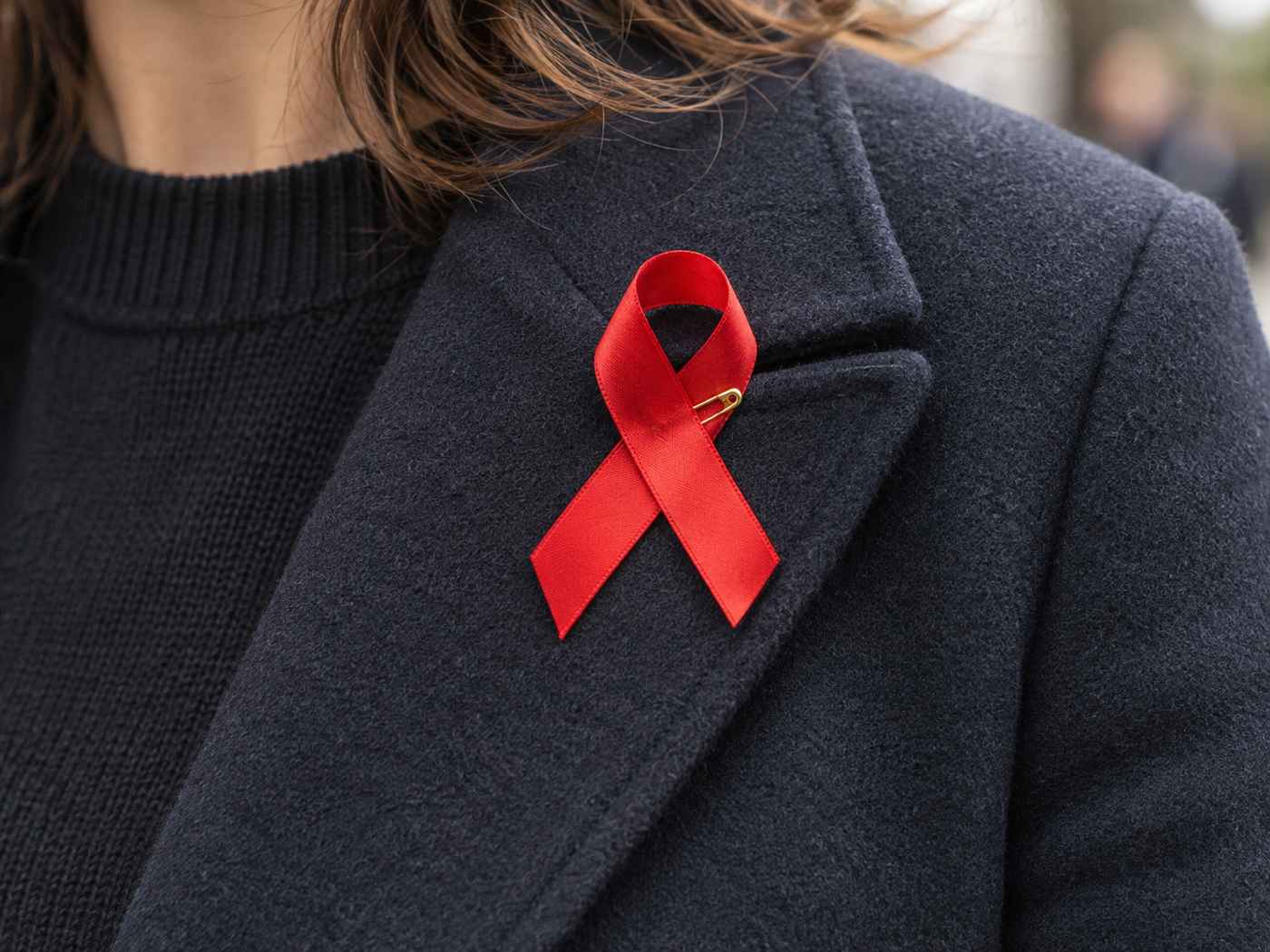
In spring 1991 the Visual AIDS Artists Caucus looked for a simple sign of compassion for people living with AIDS and their carers. They chose a loop of red ribbon, red for blood and for passion. At the Tony Awards in June 1991, the host, Jeremy Irons, wore one on television. Visual AIDS decided never to copyright the design and gave the ribbons away. Within a few years the red ribbon was worn at the Oscars, the Grammys and political conventions, and it became the model for every awareness ribbon since.
“Untitled” (Portrait of Ross in L.A.) (1991)
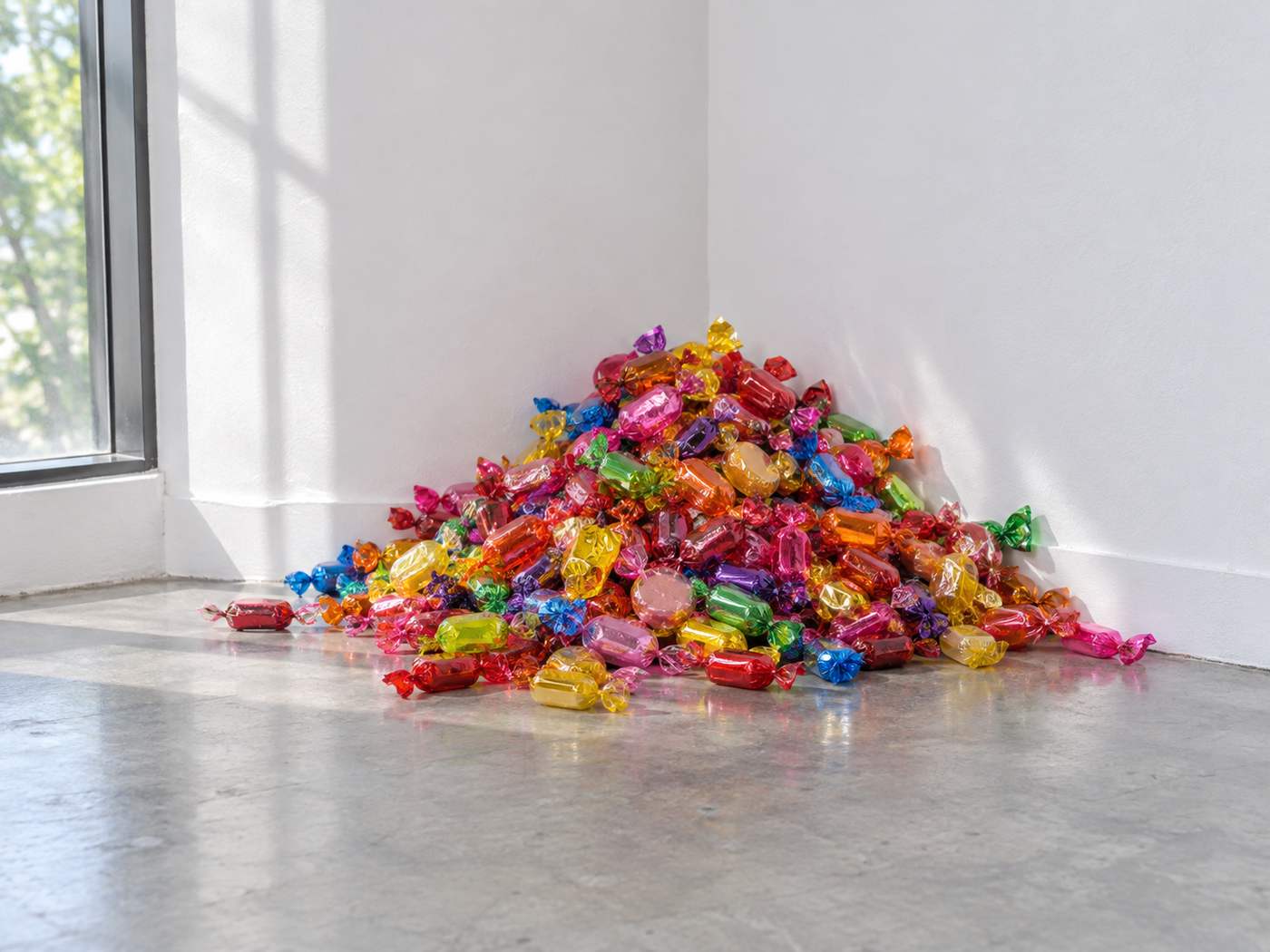
Felix Gonzalez-Torres made this work in 1991, after his partner Ross Laycock died of an AIDS-related illness that January. It is a pile of brightly wrapped sweets with an “ideal weight” of 175 pounds, often linked to Ross’s healthy body weight. Visitors are invited to take a sweet. As they do, the pile shrinks, echoing the wasting caused by the illness, and the museum keeps replenishing it. The Art Institute of Chicago has it on view. Gonzalez-Torres himself died of AIDS in 1996.
Unlike the posters, the work makes no demand and names no one. Its power comes from the act of taking and the promise of renewal. In 2022 the Art Institute revised its label to state the work’s link to AIDS more clearly, after critics argued the history was being softened.
What these works have in common
They were cheap, easy to copy and designed for public space. They came from groups more often than lone artists. And each changed the conversation: from shame to anger with Silence=Death, from numbers to names with the Quilt, from fear to fact with Kissing Doesn’t Kill. The Estate Project for Artists with AIDS, working in the same years, tried to make sure that the wider body of work by artists with AIDS would also survive.
Key takeaways
- Silence=Death (1987) became ACT UP’s emblem by reclaiming the pink triangle.
- The AIDS Memorial Quilt was first shown on the National Mall on 11 October 1987, with 1,920 panels.
- Gran Fury’s Kissing Doesn’t Kill (1989) used advertising to fight stigma.
- Visual AIDS launched Day Without Art in 1989 and the red ribbon in 1991.
- Gonzalez-Torres’s candy portrait of Ross (1991) remains on view in Chicago.
Common questions
What does Silence=Death mean?
That silence about AIDS, from governments, the media and individuals, was costing lives. The upward pink triangle reclaimed a symbol used to persecute gay men.
How big is the AIDS Memorial Quilt?
Nearly 50,000 panels remembering more than 110,000 people, according to the Library of Congress. Each panel is three by six feet.
Who created the red ribbon?
The Visual AIDS Artists Caucus in New York, in 1991. It was never copyrighted.
Why can visitors take candy from the Gonzalez-Torres work?
Taking a sweet makes the pile shrink, echoing illness and loss, while the museum’s refilling suggests memory and renewal.
Was Gran Fury part of ACT UP?
It grew out of ACT UP in 1988 and worked as its unofficial design and propaganda group.
How we wrote this: Facts come from museum collection records (Smithsonian, MoMA, V&A, Art Institute of Chicago), the National Park Service, the Library of Congress, Visual AIDS and Creative Time. Dates were checked against at least two sources. Last checked November 2026.
Sources
- Smithsonian National Museum of American History: Silence = Death poster
- MoMA: ACT UP, Silence = Death, 1987
- National Park Service: 1987 AIDS Memorial Quilt on the National Mall
- Library of Congress: AIDS Memorial Quilt records
- Creative Time: Kissing Doesn’t Kill (1989)
- Victoria and Albert Museum: Kissing Doesn’t Kill poster
- Visual AIDS: About us
- Art Institute of Chicago: “Untitled” (Portrait of Ross in L.A.)