
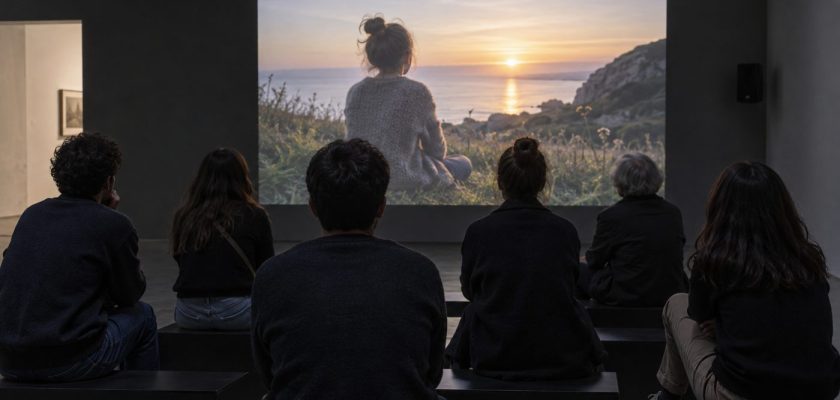
In short: A new generation of artists working on HIV today is less focused on mourning and more on living: treatment, stigma, care, harm reduction and how the history is remembered. The best-known platform is Visual AIDS’ annual Day With(out) Art, which since 2014 has commissioned short videos shown on 1 December in more than 150 venues worldwide. Its 2025 programme, Meet Us Where We’re At, looked at harm reduction; the 2026 programme, seeds in a dying colony, features artists from Tanzania, Brazil, Morocco and beyond.
The artists profiled elsewhere on this site worked in the worst years of the epidemic, when a diagnosis was usually fatal. Artists today work in a different world. Treatment keeps people healthy, and people with an undetectable viral load do not pass on the virus. But HIV has not gone away: about 1.2 million people acquired it in 2025, according to UNAIDS, and stigma remains strong in many places. A new generation of artists is asking what HIV means now, and who gets left out of the story.
From Day Without Art to Day With(out) Art
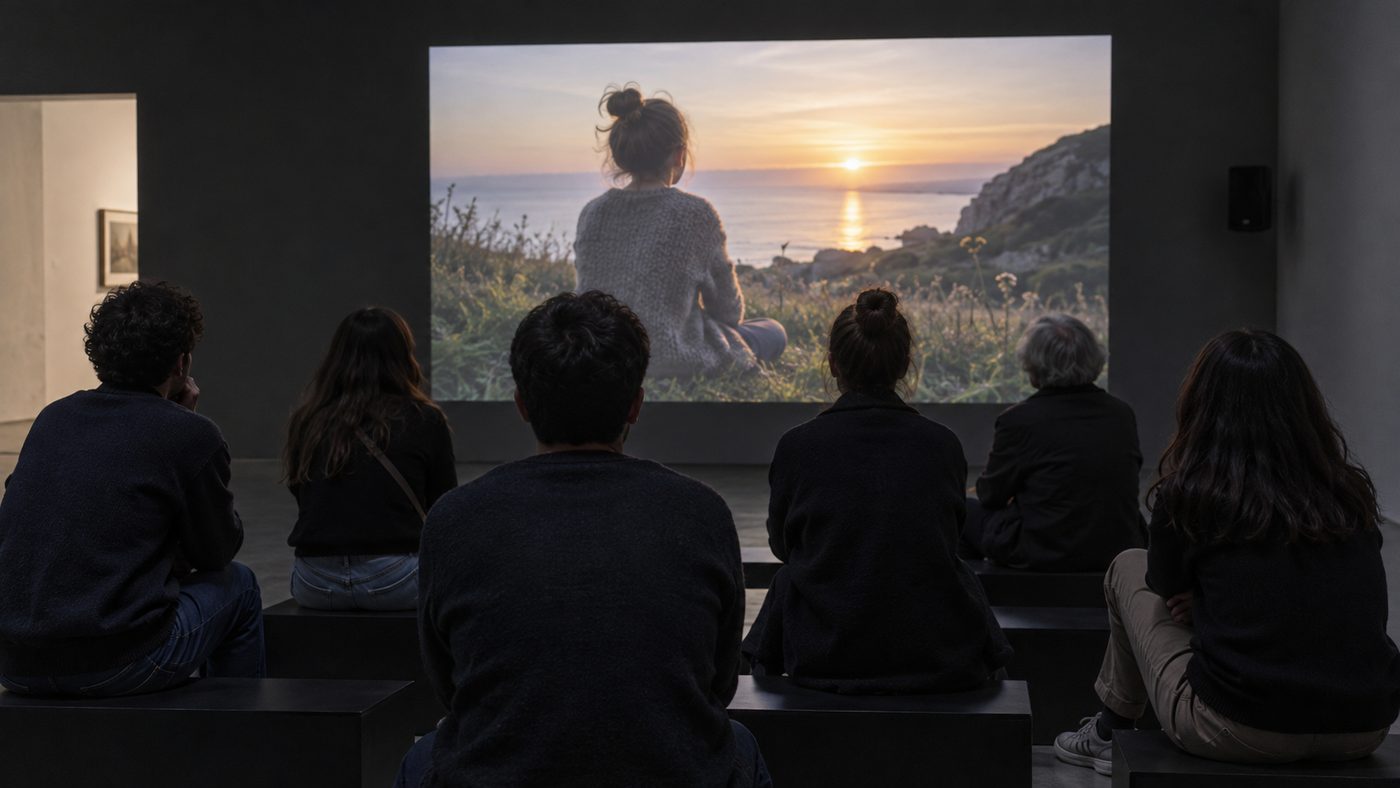
Visual AIDS organised the first Day Without Art on 1 December 1989, asking museums and galleries to close or cover works in mourning. You can read more about it in our page on iconic AIDS activist artworks. In 1997 the organisers renamed it Day With(out) Art, adding the brackets to stress the work of living artists with HIV rather than only absence.
Since 2014, Visual AIDS has commissioned a programme of short videos each year and distributed it free to museums, universities, cinemas and community groups. It says these screenings now reach more than 150 venues around the world each 1 December. Past commissioned artists include Kia LaBeija, Mykki Blanco, Tourmaline, Cheryl Dunye and many others, a list that maps much of today’s queer and Black art and film.
2025: Meet Us Where We’re At
The 2025 programme took its title from a principle of harm reduction: meet people where they are, without judgement. It linked HIV to drug use, sex work and mental health, and to the practical tools, from clean needles to naloxone, that keep people alive. Commissioned artists came from Nigeria, Vietnam, Brazil, Chile and the United States, among them Kenneth Idongesit Usoro, Hoàng Thái Anh, Gustavo Vinagre and Vinicius Couto, Camilo Tapia Flores, Camila Flores-Fernández and José Luis Cortés. The University of California, Berkeley, was one of the venues that hosted it.
2026: seeds in a dying colony
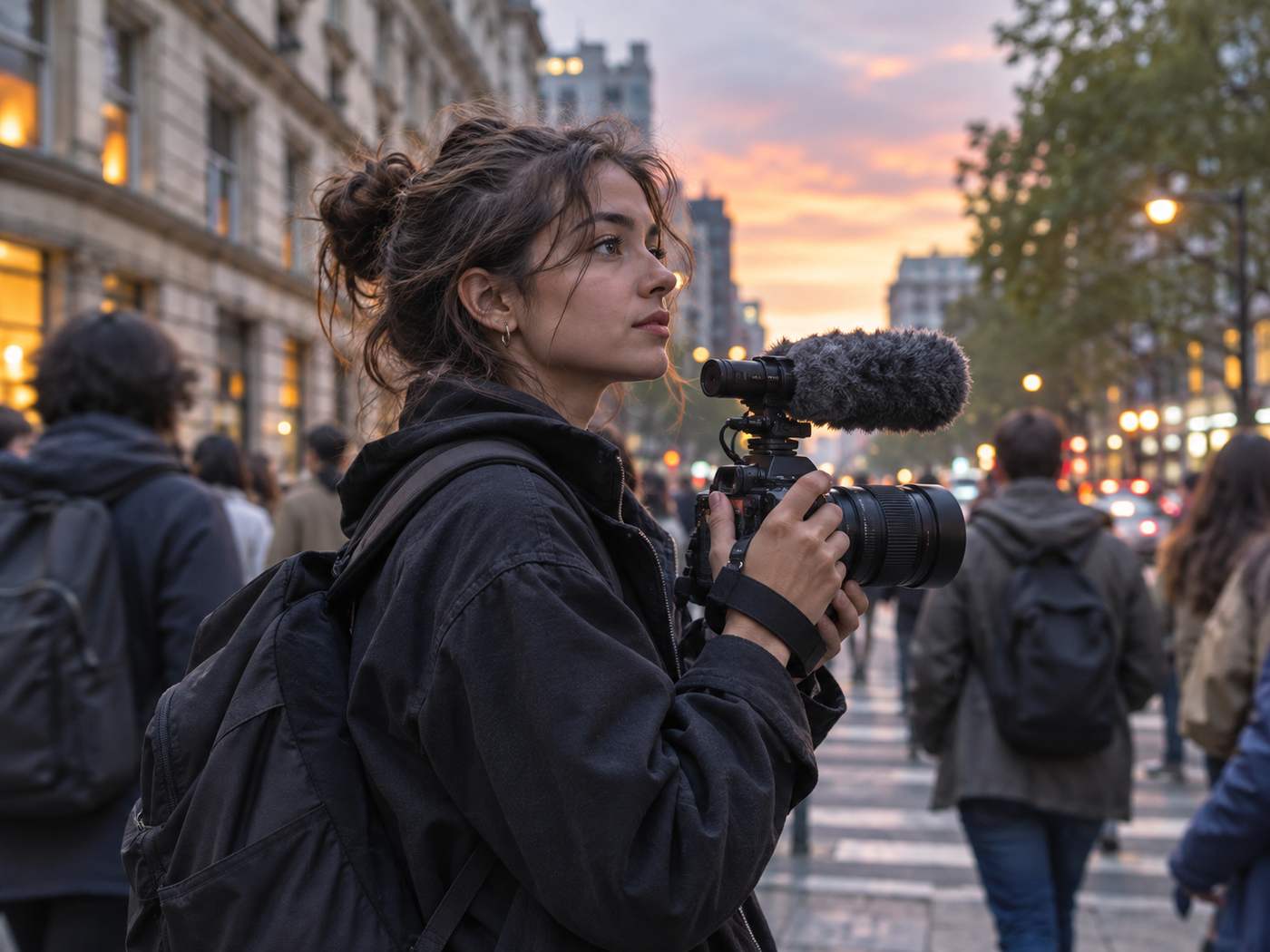
The 2026 programme, seeds in a dying colony, premieres on World AIDS Day at venues including New York University’s Grey Art Museum. Its artists include Edgar Hudson from Tanzania, Bruna Kury and Matheus Mello from Brazil, Sido Lansari, who works between Morocco and France, and Micaela Cyrino. The title points to two ideas present in much new work: the colonial histories that shape who gets care, and the hope of growth in hostile ground.
Themes in new work about HIV
- Living with treatment. Daily pills, clinic visits and viral load tests are a routine part of life, and artists show that routine rather than only crisis.
- Stigma and silence. Many works deal with disclosure: to family, partners or employers, and in countries where HIV is still criminalised.
- Global voices. Most new infections now happen outside North America and Europe, and recent commissions reflect that, with artists from Africa, Asia and Latin America.
- Care and community. Harm reduction, mutual aid and chosen family are common subjects.
- Memory and archives. Younger artists often work with the archive of the 1980s and 1990s, re-reading the posters, videos and letters of the first generation.
The problem of the archive
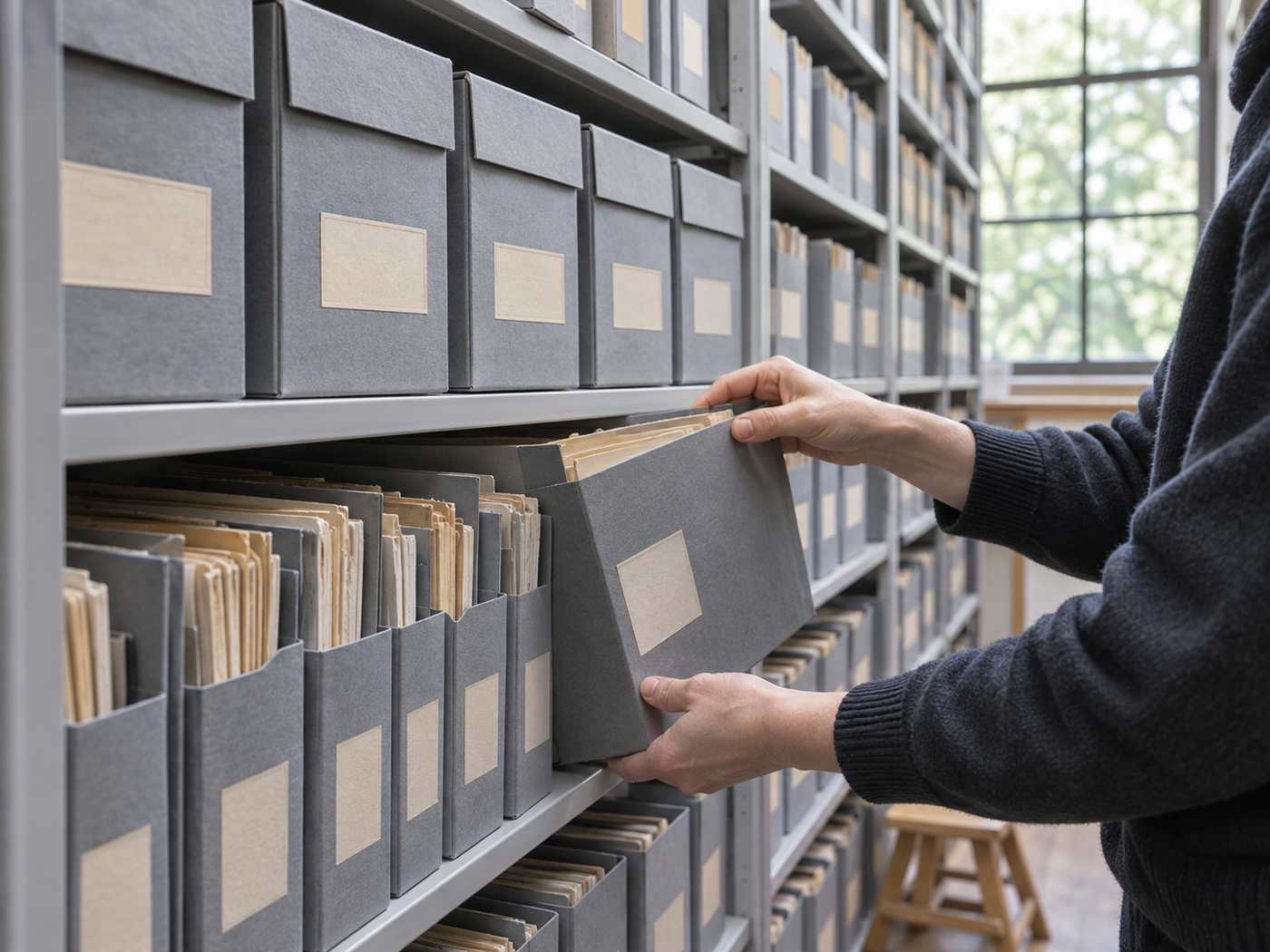
Working with the past is harder than it sounds. A report by Hyperallergic asked where the archives of AIDS and HIV-related art in the United States actually are. The answer was: in many places, often small and underfunded. Some estates were saved through projects like the Estate Project for Artists with AIDS; others were thrown away by families who did not know what they held. Visual AIDS runs its own Artist+ Registry, an online archive of work by artists with HIV, which serves as a source for curators and researchers.
For artists today, this means that part of the job is to find and share what survives. Several recent Day With(out) Art videos use found footage, home movies and old activist tapes, giving them new life for audiences who were not born when they were made.
The first generation’s own words are also being collected. Oral history projects record surviving activists, nurses, partners and friends, and university libraries have acquired the papers of groups such as ACT UP. Younger artists use these recordings and papers both as source material and as a check on how the story is told, making sure that women, people of colour and people outside the big American cities are not written out of it.
How to see the work
The easiest way is to attend a Day With(out) Art screening on or around 1 December. Visual AIDS lists participating venues each year, and many programmes are later streamed online. Museums with strong collections of AIDS-era and contemporary HIV-related art include the Museum of Modern Art and the Whitney in New York, the Art Institute of Chicago and the Victoria and Albert Museum in London. For a basic guide to the science behind this work, read our overview of HIV and AIDS.

Key takeaways
- New art about HIV focuses on living with treatment, stigma, care and memory.
- Day With(out) Art has commissioned short videos since 2014, shown in 150+ venues each 1 December.
- The 2025 programme looked at harm reduction; the 2026 programme is seeds in a dying colony.
- Recent commissions feature artists from Africa, Asia and Latin America.
- Archives of AIDS-era art remain scattered, so artists often work as researchers too.
Common questions
What is Day With(out) Art?
An annual art event on World AIDS Day, 1 December, organised by Visual AIDS. It began as Day Without Art in 1989 and since 2014 has centred on commissioned short videos.
Why was Day Without Art renamed?
In 1997 the brackets were added to recognise the work of living artists with HIV, not only those who had died.
Who are some contemporary artists working on HIV?
Past Visual AIDS commissions include Kia LaBeija, Mykki Blanco, Tourmaline and Cheryl Dunye; recent ones include Kenneth Idongesit Usoro, Hoàng Thái Anh, Edgar Hudson and Sido Lansari.
Where can I watch the videos?
At participating museums, universities and community venues each December; Visual AIDS lists venues on its website.
What is the Visual AIDS Artist+ Registry?
An online archive of work by artists living with HIV and artists who have died, used by curators and researchers.
How we wrote this: Programme details come from Visual AIDS and from host venues including UC Berkeley and NYU’s Grey Art Museum; figures come from UNAIDS. Last checked November 2026.